Story · scroll slowly, with your eyes open
Mystery may come from a Greek word for closing your eyes.1 Or your lips.
Story · scroll slowly, with your eyes open
Mystery may come from a Greek word for closing your eyes.1 Or your lips.
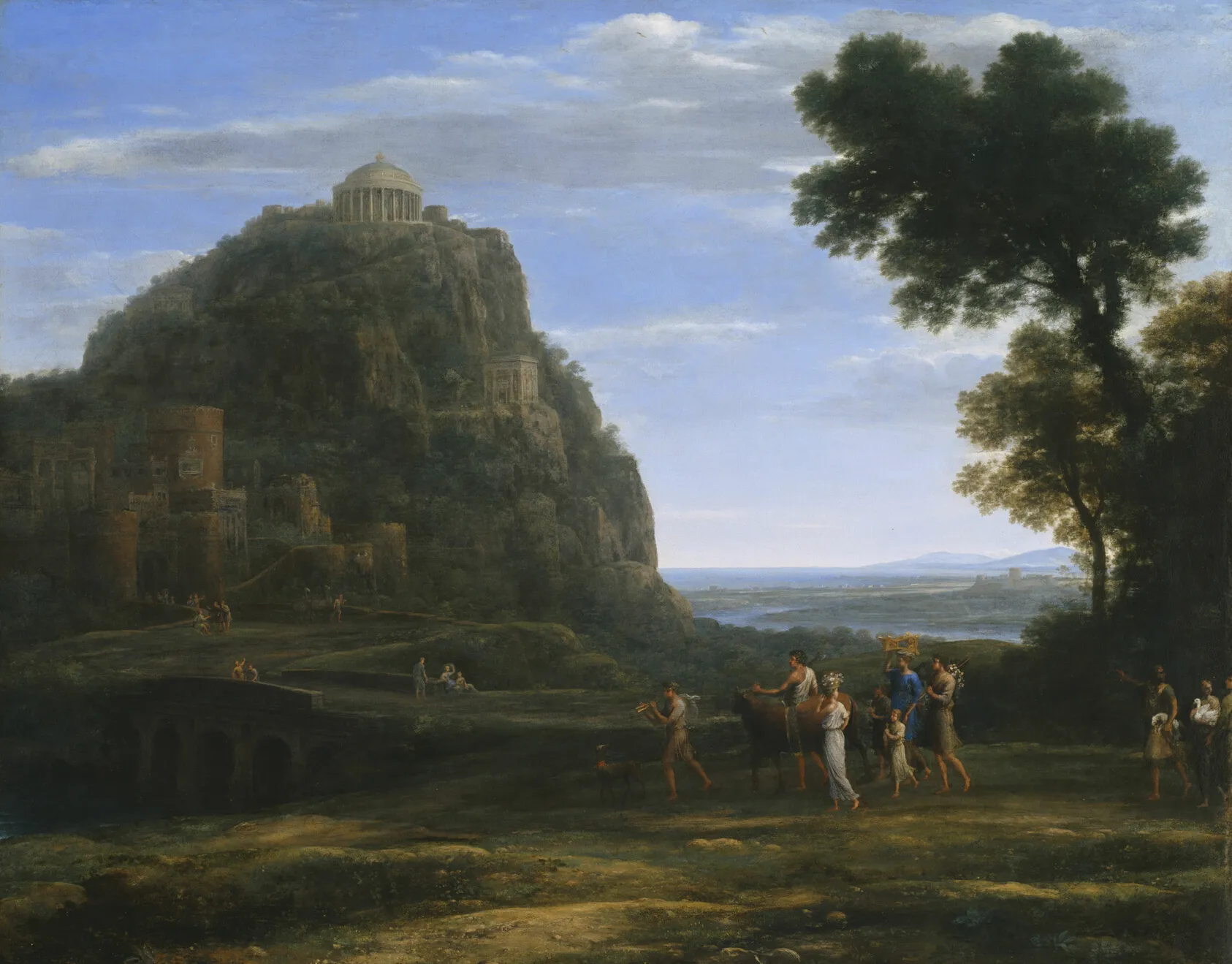
I. The roadEvery autumn, crowds walked from Athens to Eleusis. About twenty kilometres.
They shouted one name the whole way: Iakchos!
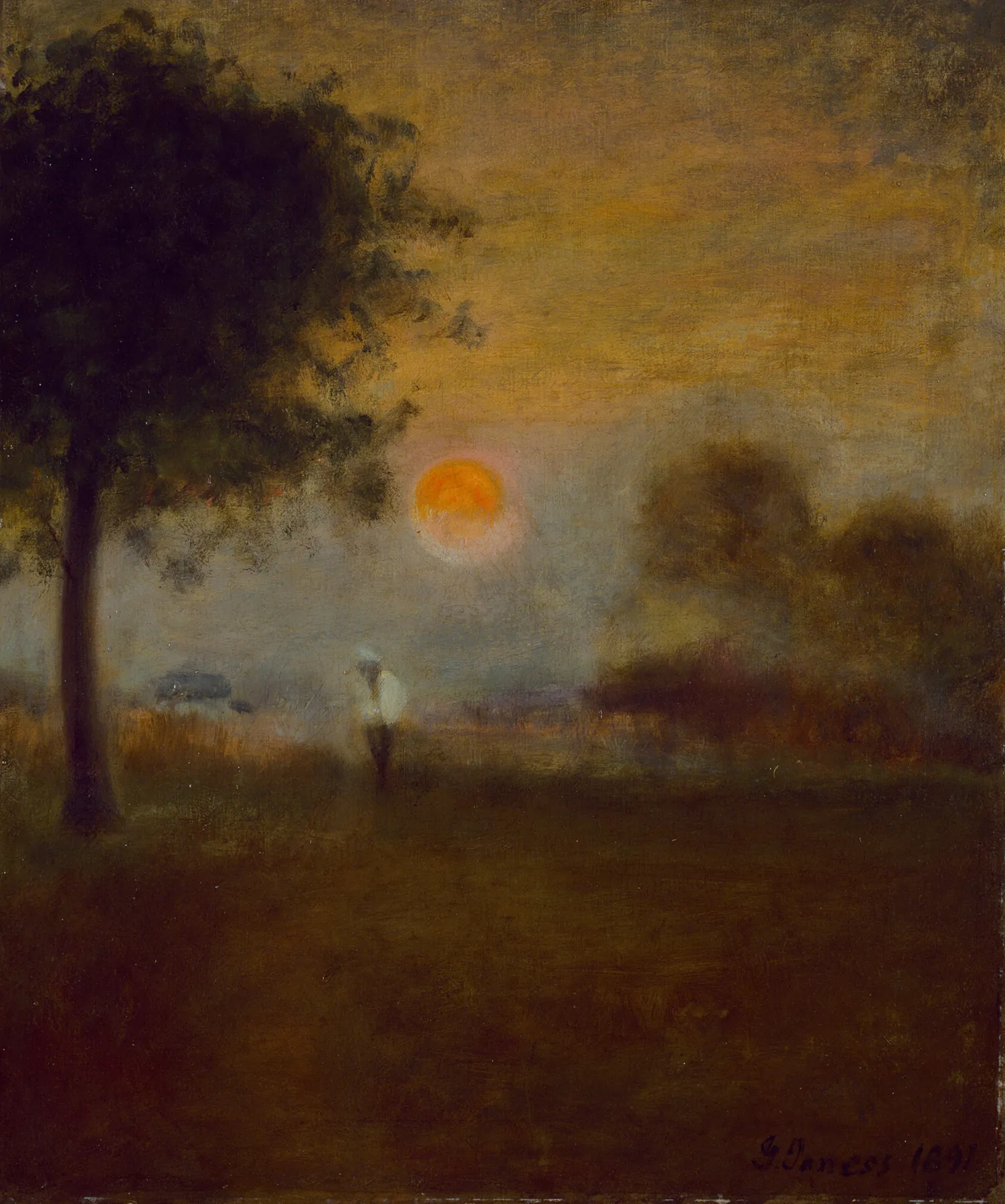
II. The nightThey arrived after dark, by torchlight.
Then they went into the great hall, and the doors closed.
III. InsideWhat happened inside, nobody wrote down.
For more than a thousand years, thousands of people went in.
Not one of them told.
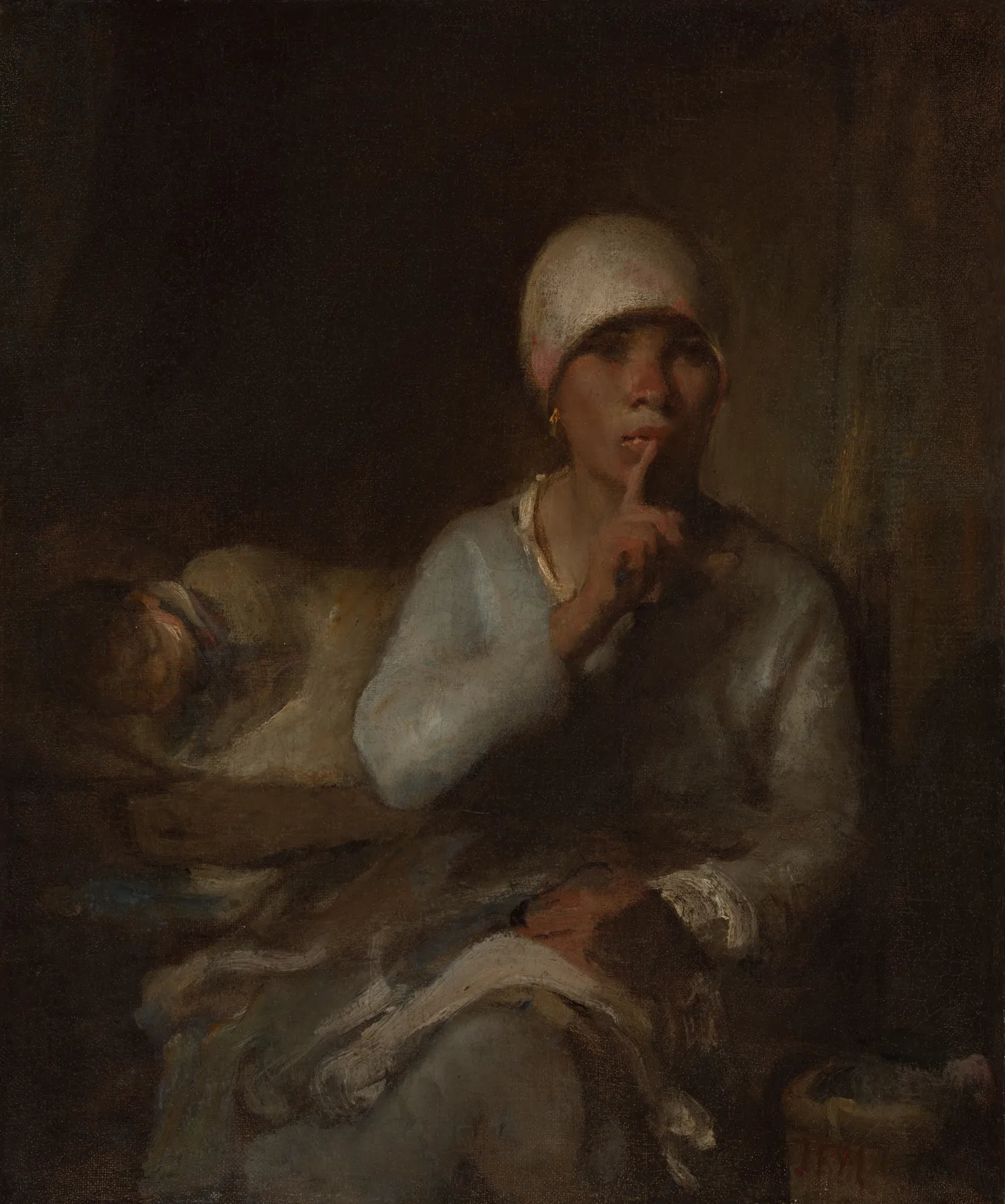
IV. Lips closedThe Hymn to Demeter says these rites can’t be spoken: “deep awe of the gods checks the voice.”
Cicero went. All he would say was that he came home with a reason to live with joy.
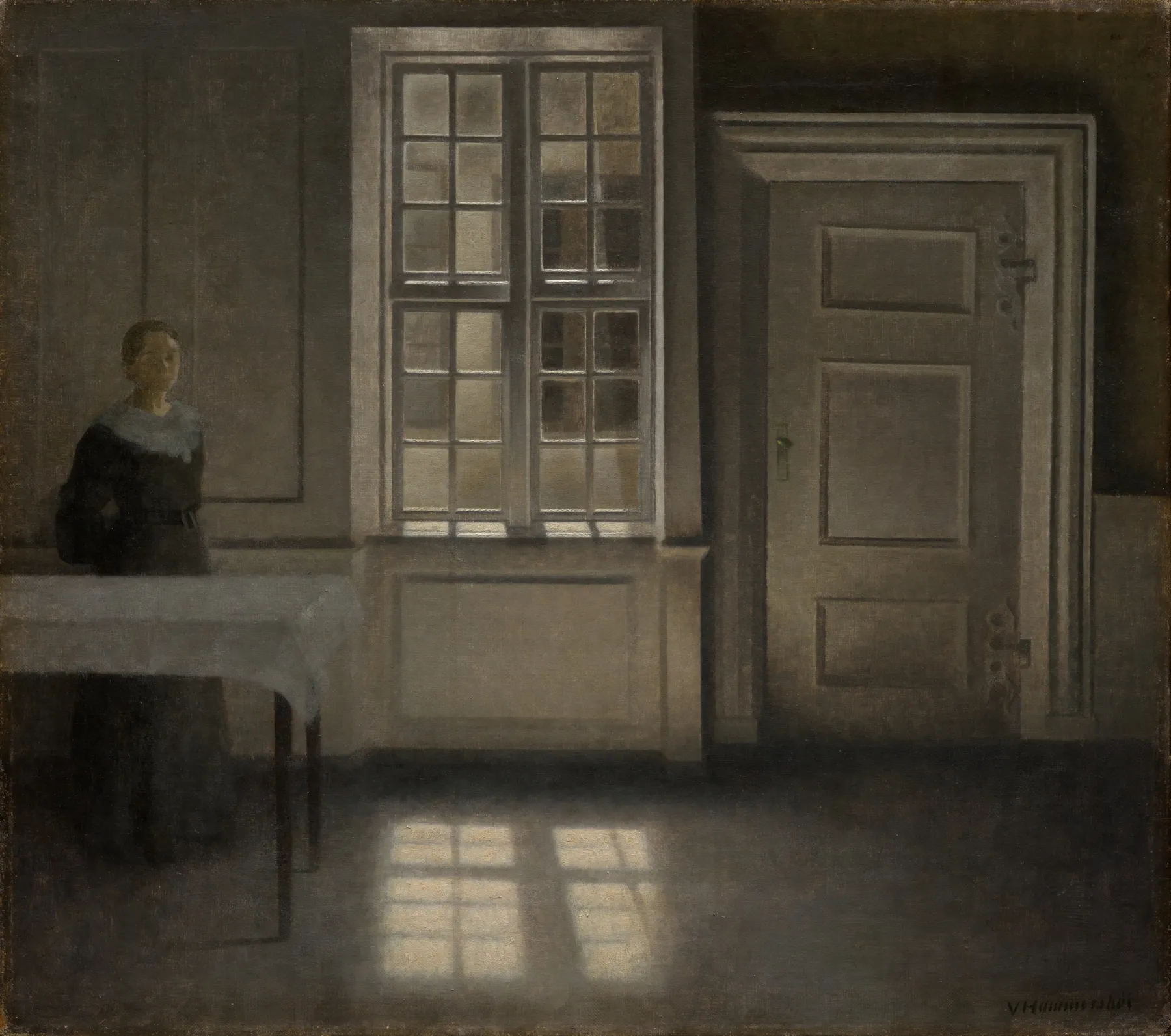
V. Keep oneSome things grow when you don’t tell them.
Keep one good thing to yourself for a day before you tell anyone. Notice how it feels to carry it.
The word: Greek myein, to close the eyes or the lips; an initiate was a mystēs (Online Etymology Dictionary, mystery). The rites can’t be spoken: Homeric Hymn to Demeter 476–479, Evelyn-White 1914. The shout of Iakchos on the road: Herodotus 8.65; Aristophanes, Frogs 316 onwards. The walk from Athens, the arrival by torchlight, the hall (the Telesterion), and the rites kept until the end of the 300s AD: George Mylonas, Eleusis and the Eleusinian Mysteries, 1961. Cicero: On the Laws 2.36, in our own words.
Myopia has the same Greek verb in it, myein, “to shut”: the short-sighted were the ones who squint.
All stories · short myths, A to Z
1 Online Etymology Dictionary, mystery